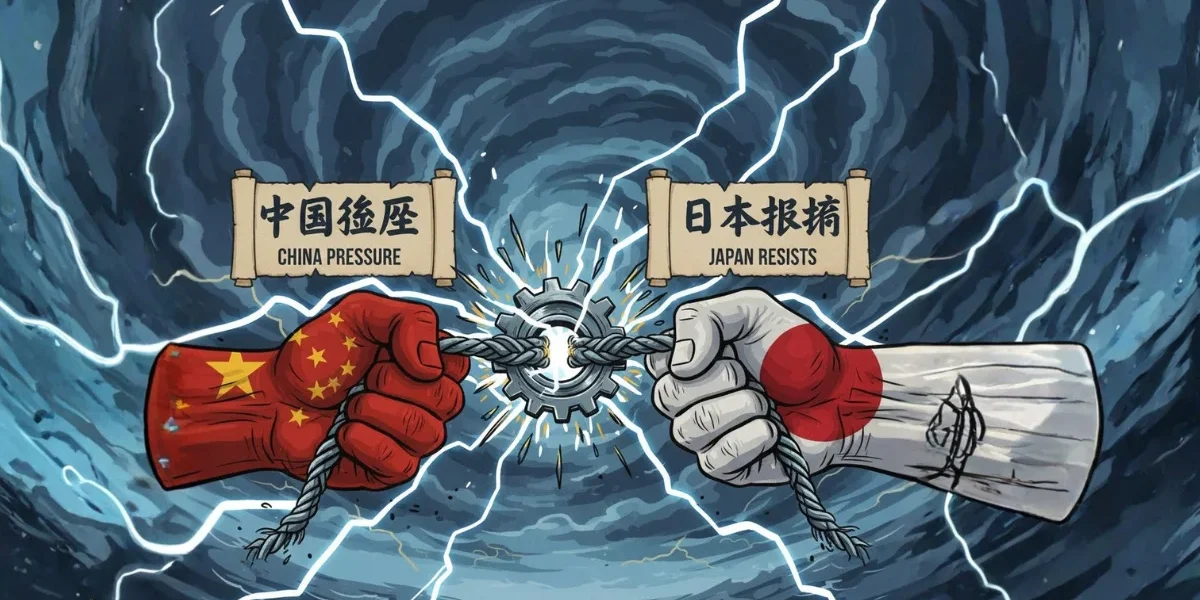
China has stepped up its focus on Japan, bringing China Japan trade tensions into the spotlight for businesses and investors worldwide. At the center of this attention are rare earth materials and high-tech components, which are critical for electric vehicles, semiconductors, and defense-related manufacturing. While no confirmed new export ban has been announced, the ongoing supply chain dependencies highlight the vulnerabilities of global trade networks. For context, see Reuters coverage on rare earth exports.
Rare Earths Take Center Stage
Rare earth elements are essential minerals used across multiple high-tech industries. China dominates global production and processing, producing around 60–70% of the world’s rare earths. This dominance gives China a strategic advantage over countries reliant on these materials, including Japan.
The U.S. Geological Survey (USGS) confirms China’s position as the world’s largest producer of rare earth elements, making diversification a long-term challenge for global manufacturers. Countries like Japan face increasing pressure to find alternative suppliers or develop domestic sources, though this remains costly and time-consuming. Rare earths are critical for electric vehicles (EVs), semiconductors, and defense technologies, meaning any disruption could have broad implications. Even without a confirmed ban, investors and manufacturers are watching supply chains carefully. Bloomberg Intelligence warns that prolonged supply constraints may increase costs for automakers and electronics producers, adding inflationary pressure across multiple sectors.
Japan’s Dependence on Rare Earths
Japan imports a significant share of its rare earths and high-tech components from China. These materials are crucial for industries such as automotive, electronics, and defense. While no immediate export ban has been officially imposed, the reliance itself highlights a structural vulnerability.
Supply chain disruptions in rare earths can lead to higher production costs and delays in industries that are vital not just for Japan, but for the global economy. For instance, EV production and semiconductor manufacturing could face challenges if access to key materials becomes limited.
Market Implications
The China Japan trade tensions around rare earths are closely tied to market stability. Investors should consider:
-
Commodity markets: Rare earth pricing could fluctuate as countries look to secure alternative sources.
-
Tech and EV stocks: Companies dependent on rare earth inputs may face margin pressure if supply chains tighten.
-
Asia-Pacific equities: Market uncertainty may rise in the region due to trade vulnerabilities.
Even without confirmed bans, analysts note that supply chain awareness is critical. Businesses and investors increasingly consider regionalization of production and diversification to reduce reliance on single-country supply chains.
For further analysis, see Geopolitechs on rare earth export impacts.
Global Trade and Strategic Considerations
China’s dominance in rare earths demonstrates how critical materials have become a strategic factor in global trade. Even in the absence of new export restrictions, China Japan trade tensions affect planning for manufacturers worldwide.
Investors and companies are looking at measures such as:
-
Stockpiling rare earth materials
-
Investing in alternative supply chains
-
Developing domestic production capacity
These actions reflect the interconnection between geopolitics, trade, and markets, where even potential supply disruptions can have ripple effects.
Why Investors Should Watch Supply Chains
While no new export ban has been officially confirmed, the focus on China Japan trade tensions underscores the importance of rare earths and advanced materials in global markets.
Key takeaways for investors and businesses:
-
Supply chain risks in Asia-Pacific markets are real and ongoing.
-
Tech and EV industries are particularly sensitive to rare earth availability.
-
Diversification and regionalization of supply chains are becoming strategic imperatives.
For Finance Curves readers, understanding supply chain dependencies and material vulnerabilities is crucial for making informed investment decisions in the Asia-Pacific region.
FAQs
Q1: What are rare earths and why are they important?
Rare earth elements are critical minerals used in electronics, EV batteries, defense technology, and industrial applications. China dominates global production.
Q2: How will the export ban affect Japanese companies?
Japanese automakers and tech firms may face higher costs, supply shortages, and potential production delays.
Q3: Could this affect global markets?
Yes, commodity prices, tech stock valuations, and Asia-Pacific equities could all experience volatility.
Q4: How might the U.S. respond?
The U.S. may support Japan diplomatically while balancing trade negotiations with China, aiming to avoid further escalation.
Q5: What should investors do?
Investors should monitor rare earth prices, supply chain developments, and geopolitical news to adjust portfolios accordingly.
Disclaimer
The information provided on this website is for informational and educational purposes only. While we strive to ensure accuracy and keep our content up to date, FinanceCurves makes no guarantees regarding the completeness, reliability, or accuracy of any information published.
Nothing on this site constitutes financial, tax, legal, or investment advice. Readers should consult a qualified financial advisor, certified tax professional, or licensed attorney before making any financial decisions. Your individual situation may vary, and decisions based on information from this website are made at your own risk.
FinanceCurves may reference government agencies, financial institutions, or official programs for informational purposes only. We are not affiliated with, endorsed by, or connected to any government entity, including the IRS or any federal or state agency. Some content may contain links to third-party websites for additional context or resources. We are not responsible for the content, accuracy, or practices of any external sites.
By using this website, you agree to this disclaimer and our terms of use.

Marshall Mason, Senior Market Analyst at FinanceCurves.com, has over 9 years of experience covering financial markets, cryptocurrencies, and macroeconomic trends. He delivers data-driven insights, independent analysis, and actionable guidance for investors and traders. Marshall leverages authoritative sources, market data, and regulatory updates to help readers navigate volatility, adoption trends, and the evolving landscape of global finance and digital assets.