
MicroStrategy (NASDAQ: MSTR) has once again captured the spotlight in the crypto and finance world. In a bold move, the company purchased 2,486 Bitcoin for $168 million, adding to its already massive cryptocurrency holdings. For investors and finance enthusiasts, understanding the implications of these purchases on MSTR stock, corporate strategy, and Bitcoin exposure is crucial.
MicroStrategy’s Bitcoin Accumulation Continues
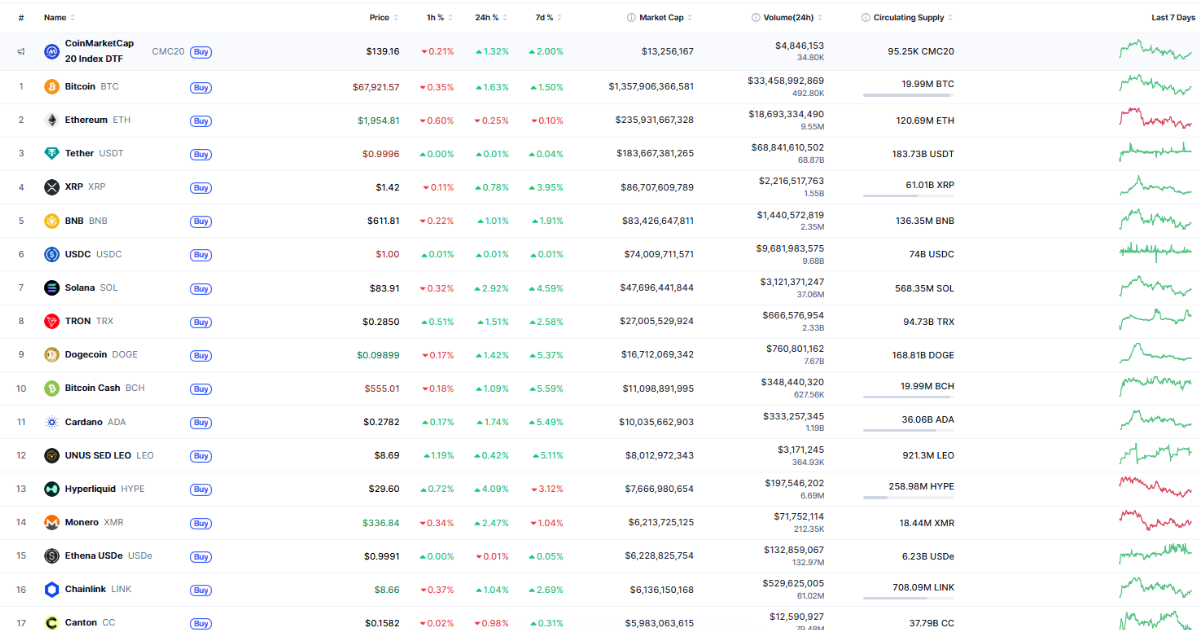
MicroStrategy’s commitment to Bitcoin has been consistent since 2020. The latest purchase brings its total holdings to 717,131 BTC, acquired for approximately $54.52 billion. The average price per Bitcoin sits at $76,027, while the current market price hovers around $68,000, reflecting a short-term unrealized loss.
| Metric | Value |
| Bitcoin acquired this week | 2,486 BTC |
| Purchase value | $168.4 million |
| Total Bitcoin holdings |
717,131 BTC |
| Total invested | $54.52 billion |
| Average acquisition cost | $76,027 per BTC |
| Current Bitcoin price | $68,000 |
| Unrealized loss per BTC | ~$8,027 |
| Total unrealized loss | ~$5.7 billion |
For real-time Bitcoin data and historical trends, refer to CoinMarketCap’s Bitcoin charts.
Michael Saylor’s Rationale Behind the Purchase
Michael Saylor, Executive Chairman of MicroStrategy, has consistently positioned Bitcoin as a strategic asset for corporate treasury. The key motivations include:
- Hedge Against Inflation: With a capped supply of 21 million coins, Bitcoin offers protection against fiat currency devaluation.
- Institutional Signaling: Large corporate purchases demonstrate confidence and encourage broader institutional adoption.
- Dollar-Cost Averaging: MicroStrategy steadily increases Bitcoin holdings over time to mitigate timing risks.
- Diversification: Holding Bitcoin diversifies corporate reserves beyond traditional assets like cash and bonds.
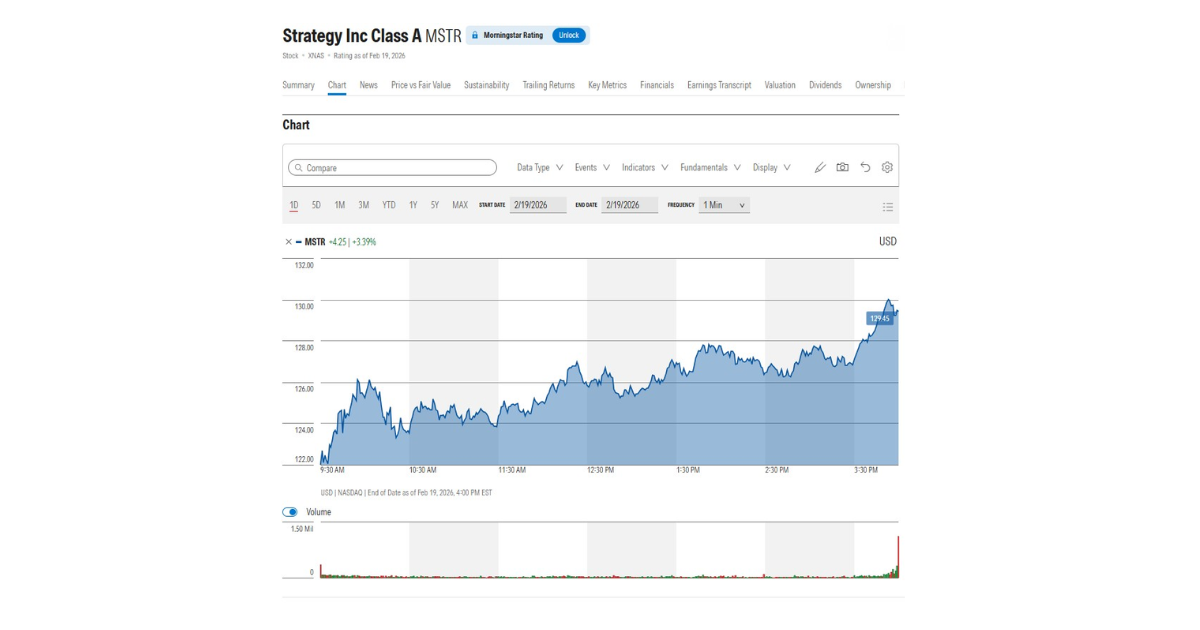
A detailed breakdown of valuation metrics and risk factors can be reviewed on Morningstar’s MSTR stock page.
MSTR Stock: How Bitcoin Holdings Affect Share Price
Investors tracking MSTR stock should be aware of several key factors:
- Price Correlation: MSTR shares often mirror Bitcoin price movements. A surge in BTC can lift MSTR stock, while declines may amplify losses.
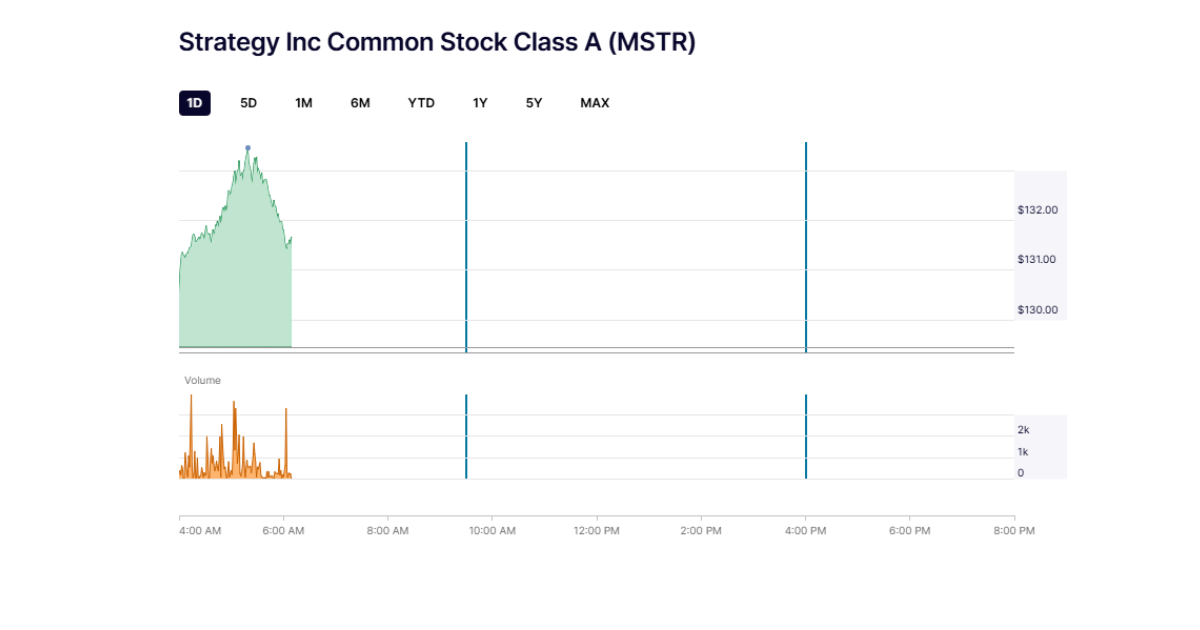
- After-Hours Volatility: Recent stock sales to fund purchases impact MSTR stock after hours, reflecting equity dilution.
- Portfolio Risk: Investors should understand that MSTR is effectively a hybrid stock-crypto exposure vehicle, making it more volatile than typical tech equities.
Investors can monitor MSTR stock performance directly on NASDAQ’s official MSTR page.
Funding Mechanism for Bitcoin Acquisitions
MicroStrategy funds its Bitcoin purchases through a combination of:
- Common Stock Sales: Generates liquidity for acquisitions.
- Preferred Stock Instruments (STRC): Adds flexibility for additional capital.
- Transparency Through Filings: SEC filings ensure investors are informed and maintain regulatory compliance.
Risk Note: Funding through stock issuance can dilute existing shareholder equity temporarily, particularly if Bitcoin prices decline post-purchase.
Learn more about financing strategies and corporate crypto acquisition in our article on DeFi Derivative Trading 2026.
Historical Context: MicroStrategy’s Bitcoin Strategy
MicroStrategy began its Bitcoin journey in August 2020 with an initial purchase of 21,000 BTC. Over time, the company has scaled its holdings, making it one of the largest corporate Bitcoin owners globally. Key insights:
- Total Bitcoin holdings now exceed 717,000 BTC.
- Average acquisition cost: $76,027 per coin, while current market prices sit below that mark.
- MicroStrategy provides a real-world example of corporate treasury diversification into crypto.
For ongoing Bitcoin market updates, see our Bitcoin Price detailed report news.
How Bitcoin Holdings Influence MSTR Stock Valuation
Bitcoin exposure directly affects MSTR stock valuation:
- Asset Backing: Investors perceive BTC holdings as intrinsic corporate value.
- Volatility Premium: MSTR exhibits a higher beta than the S&P 500, reflecting combined equity and crypto risk.
- Market Sentiment: BTC price fluctuations influence stock trading behavior, impacting both retail and institutional investors.
Regulatory and Market Risks
Investors must consider risks associated with corporate crypto holdings:
- SEC Oversight: Proper disclosures and filings are mandatory for public companies holding digital assets.
- High Volatility: Bitcoin can fluctuate ±10% or more in short periods, affecting MSTR stock.
- Accounting Standards: Under U.S. GAAP, crypto is treated as an intangible asset, requiring impairment recognition if prices fall.
- Financing Risks: Equity sales or preferred instruments may dilute shareholder value.
For authoritative regulatory guidance, see the SEC official website.
Investor Takeaways for Beginners and Intermediate Traders
- Monitor Correlations: Track Bitcoin price alongside MSTR stock for investment timing.
- Adopt a Long-Term View: MicroStrategy’s strategy spans years, not days.
- Diversify Portfolios: Use MSTR as one component of a balanced portfolio.
- Follow Data Closely: Review SEC filings and financial reports for transparency.
- Manage Risk: Recognize that MSTR exposure includes both equity and cryptocurrency volatility.
Trending Market Insights
- Institutional Adoption: Companies like Tesla and Block Inc. are diversifying treasury holdings into Bitcoin.
- Macro Trends: Global monetary expansion increases interest in digital assets as hedges.
- NASDAQ Movements: MSTR stock trends often correlate with technology indices and investor sentiment toward risk assets.
- Learn about secure trading platforms in our Crypto Exchange Guide 2026: Best Platforms, Fees & Security.
MSTR Moves Are Big — Are You Watching Closely?
Michael Saylor’s continued Bitcoin purchases show that MicroStrategy isn’t just following the market; it’s shaping it. Investors looking to understand corporate crypto strategy and MSTR stock dynamics should keep a close eye on both BTC trends and MicroStrategy filings. Stay informed, stay strategic, and get your weekly dose of actionable finance insights on FinanceCurves.
Disclaimer: This content is for informational purposes only and is not financial advice. Cryptocurrency and equities involve risk of loss. Readers should consult licensed professionals before making investment decisions.
FAQs
- How many Bitcoins does MicroStrategy hold?
MicroStrategy currently holds 717,131 BTC, positioning it as a leading corporate holder. - What is the average purchase price of MicroStrategy’s Bitcoin?
Average acquisition cost per Bitcoin is $76,027, higher than current market prices. - How does Michael Saylor finance these purchases?
Through common stock sales and preferred stock instruments (STRC), as disclosed in SEC filings. - How does Bitcoin ownership affect MSTR stock?
MSTR stock is influenced by BTC price movements, adding volatility compared to standard equities. - Is investing in MSTR risky?
Yes. Bitcoin volatility and financing methods make MSTR a higher-risk investment than traditional tech stocks. - Can retail investors gain Bitcoin exposure via MSTR?
Yes. Buying MSTR stock provides indirect exposure to Bitcoin but carries equity-related risks. - How does MicroStrategy compare with other corporate Bitcoin holders?
MicroStrategy leads in corporate BTC volume. Tesla, Block Inc., and others hold smaller amounts.
Disclaimer
The information provided on this website is for informational and educational purposes only. While we strive to ensure accuracy and keep our content up to date, FinanceCurves makes no guarantees regarding the completeness, reliability, or accuracy of any information published.
Nothing on this site constitutes financial, tax, legal, or investment advice. Readers should consult a qualified financial advisor, certified tax professional, or licensed attorney before making any financial decisions. Your individual situation may vary, and decisions based on information from this website are made at your own risk.
FinanceCurves may reference government agencies, financial institutions, or official programs for informational purposes only. We are not affiliated with, endorsed by, or connected to any government entity, including the IRS or any federal or state agency.
Some content may contain links to third-party websites for additional context or resources. We are not responsible for the content, accuracy, or practices of any external sites.
By using this website, you agree to this disclaimer and our terms of use.

Charles Cooper is a Senior Cryptocurrency Analyst at FinanceCurves.com with over 10 years of experience in financial markets. He specializes in Bitcoin, digital assets, blockchain technology, and on-chain analysis, providing research-driven insights grounded in market data, macroeconomic trends, and risk management principles. Charles helps readers navigate volatility, adoption trends, and evolving regulatory and market dynamics in the cryptocurrency and broader financial landscape.